At TDR Stone, we understand that our role extends beyond crafting beautiful benchtops and surfaces. Our commitment to safety is deeply ingrained in every aspect of our operations, especially in light of the recent regulatory changes in Western Australia. The engineered stone industry has faced significant scrutiny due to health concerns associated with crystalline silica exposure. As a responsible industry player, we are dedicated to ensuring the well-being of our workers and clients, adapting proactively to these challenges.
The Evolution of Safety Regulations in Stone Fabrication
Western Australia's approach to workplace safety has undergone significant transformation, particularly with the engineered stone ban effective from July 1, 2024. This prohibition targets slabs, panels, and benchtops containing high levels of crystalline silica, driven by mounting evidence of health risks from dust exposure during fabrication. By September 1, 2024, broader regulations tightened controls on all silica-containing materials, mandating stricter dust management and monitoring protocols. An import ban on products with 1% or more crystalline silica followed on January 1, 2025, sealing off supply chains for hazardous items. These steps align with national efforts, where Safe Work Australia coordinated a unified response to curb silicosis outbreaks linked to improper handling. Factories and workshops must now adapt, shifting to compliant materials while upholding ventilation standards and wet-processing techniques to minimize airborne particles. This regulatory shift not only protects fabricators but also reassures homeowners seeking durable, risk-free surfaces.
Understanding the Health Impacts of Crystalline Silica
Exposure to respirable crystalline silica dust poses severe threats, primarily through inhalation during cutting, grinding, or polishing. Silicosis, an incurable lung disease, emerges as the most alarming outcome, with symptoms like chronic cough and shortness of breath progressing to respiratory failure in advanced cases. Australian health data reveals over 600 diagnosed cases since 2018, many among young stone workers under 35. Beyond silicosis, risks include lung cancer, chronic obstructive pulmonary disease, and kidney damage, amplified by prolonged or intense exposure without controls. Safe Work Australia's guidelines emphasize that even low-level chronic contact can accumulate harm over years. The crystalline silica ban serves as an essential guide to safe benchtops in Australia. Monitoring shows dust levels exceeding safe thresholds in unregulated environments, underscoring why bans target engineered stone's typical 90%+ silica content. Preventive health screenings, including lung function tests and chest X-rays, have become mandatory for at-risk workers, highlighting the human cost behind these policies.
Exploring Safer Material Alternatives
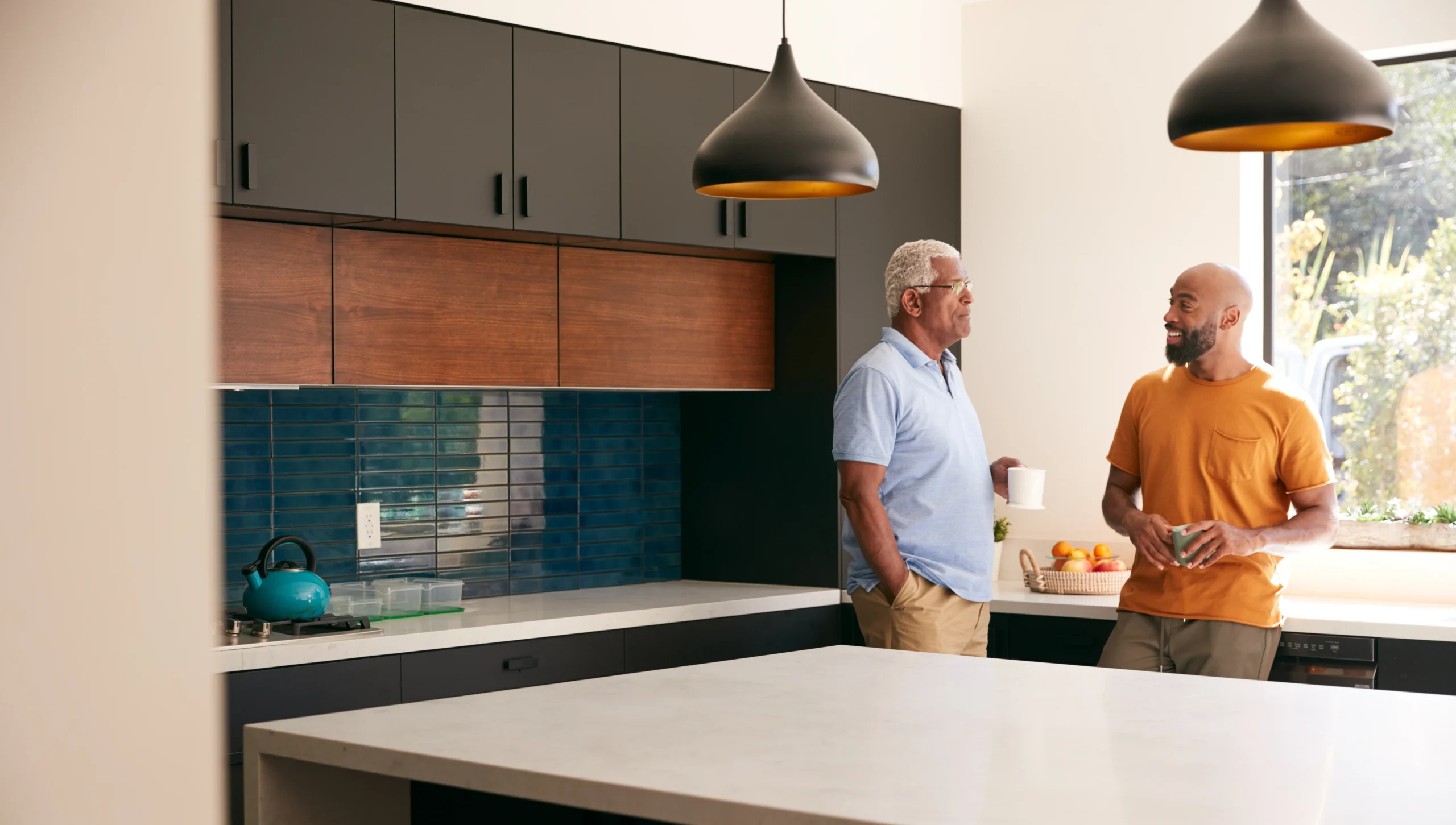
With engineered stone phased out, the market turns to options that balance aesthetics, durability, and low silica risks. Natural stones like marble, with under 5% silica, offer elegance and heat resistance, though they require sealing to prevent staining. Granite, containing 25-60% silica, demands careful processing but remains viable under controlled conditions. Porcelain slabs stand out for their zero-silica composition, providing scratch-proof, non-porous surfaces ideal for kitchens. Solid surfaces such as Corian or acrylic alternatives like Meganite mimic stone's look without health hazards, allowing seamless repairs and custom shapes. Laminate and timber provide budget-friendly, eco-conscious choices, while concrete benchtops deliver industrial appeal with customizable finishes. Some manufacturers have introduced silica-free engineered alternatives, reformulating products to match traditional designs sans risks. Silica-free benchtops in Perth highlight the safest options for modern homes. These materials not only comply with bans but also enhance sustainability, often incorporating recycled content to reduce environmental impact.
Implementing Advanced Safety Protocols
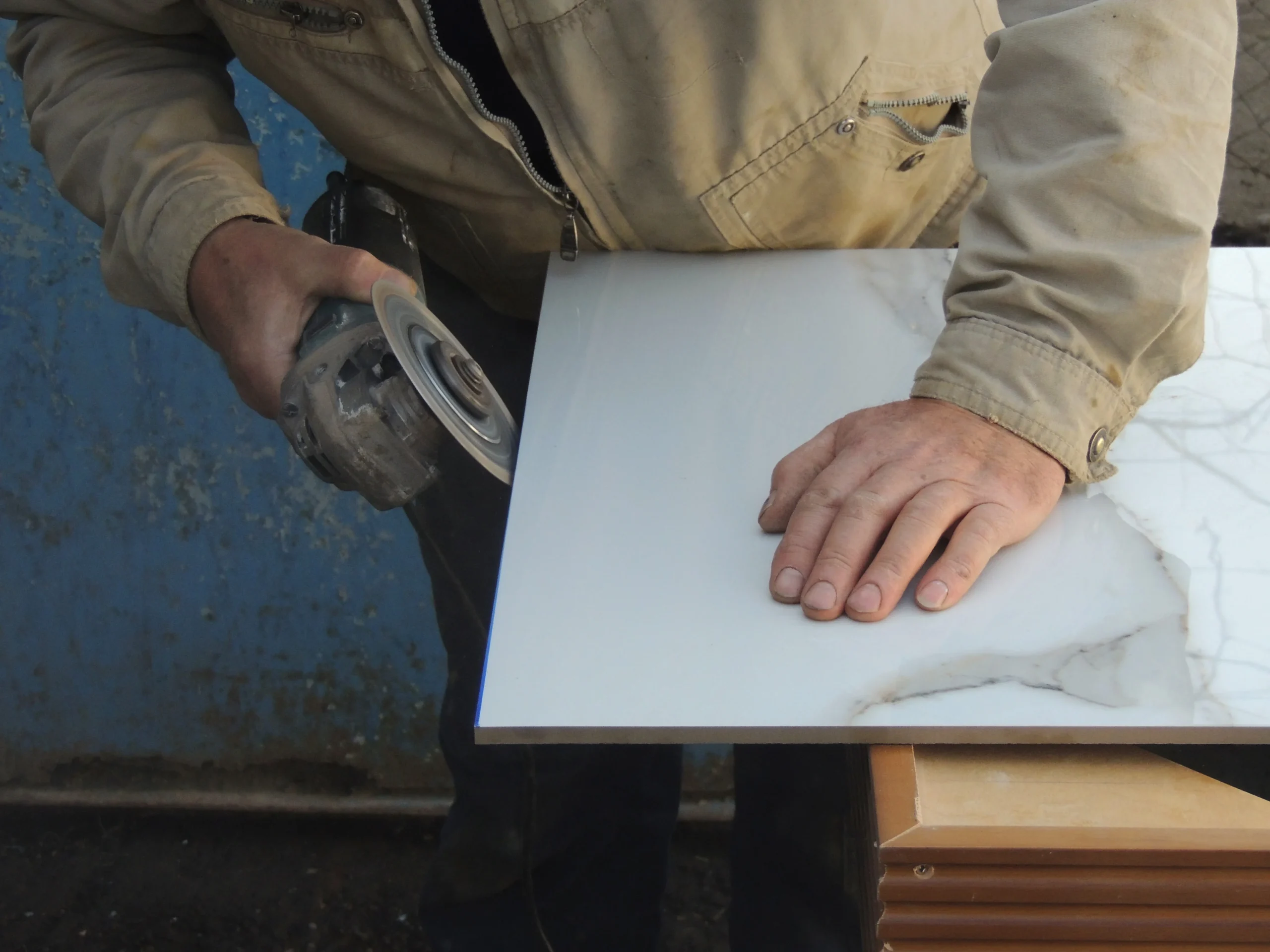
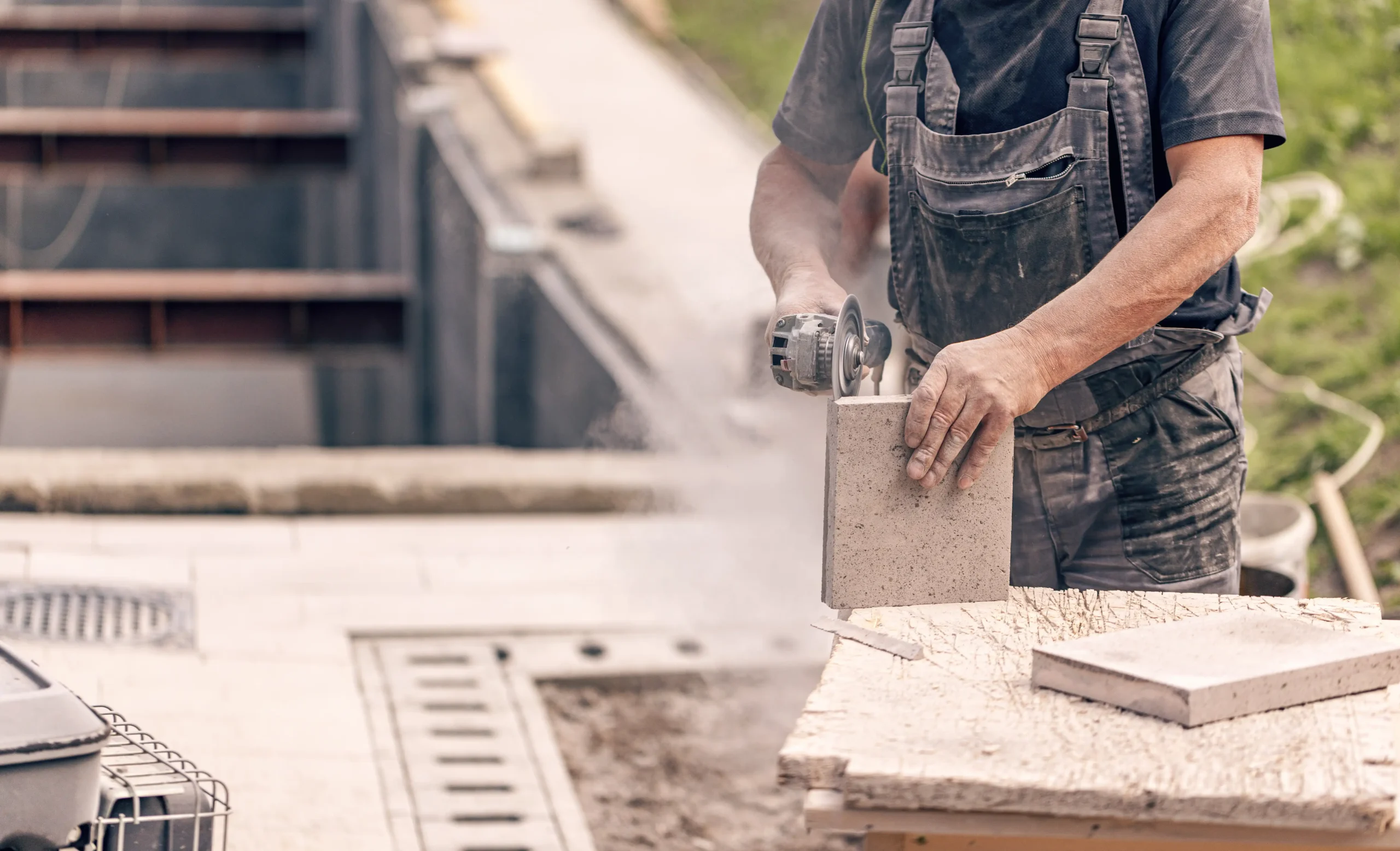
Effective dust control forms the cornerstone of modern stone fabrication. Water-suppression systems, integrated into cutting tools, drastically reduce airborne silica by binding particles at the source. High-efficiency particulate air (HEPA) vacuums and enclosed booths further contain hazards, ensuring workshops maintain exposure below Safe Work Australia's 0.05 mg/m³ limit. Personal protective equipment, including powered air-purifying respirators, shields workers during high-risk tasks. Real-time air monitoring devices alert to spikes, enabling immediate adjustments. Cleaning protocols ban dry sweeping, favoring wet methods or vacuums to prevent re-suspension of dust. Compliance audits, mandated quarterly in Western Australia, verify adherence, with penalties for violations reinforcing accountability. These practices extend to natural stones, where silica levels vary but risks persist without vigilance. Innovation in tool design, like automated wet polishers, minimizes manual exposure, proving that technology amplifies safety without compromising efficiency.
The Role of Education and Training
Knowledge empowers safer workplaces, with mandatory training programs equipping stone industry professionals on hazard recognition and control. WorkSafe WA's modules cover silica's properties, exposure routes, and emergency responses, often delivered through interactive sessions or online platforms. Certification requires demonstrating proficiency in PPE usage and risk assessments, renewed biennially to incorporate updates. Case studies from silicosis-affected workers illustrate consequences, fostering a culture of prevention. Suppliers and fabricators collaborate on awareness campaigns, distributing fact sheets on compliant materials. Health monitoring, including baseline medical exams, tracks long-term effects, with results informing personalized safety plans. Navigating the crystalline silica ban delivers an essential guide to safe benchtops across Australia. Community outreach extends benefits, educating homeowners on selecting low-risk products and verifying installer certifications. This holistic approach ensures regulations translate into tangible protections, building trust throughout the supply chain.
Forging a Resilient Path Forward
As the stone sector adapts, collaboration emerges as key to sustained progress. Industry associations advocate for research into ultra-low-silica innovations, potentially revolutionizing benchtop design. Government incentives for adopting green technologies could accelerate transitions, while international benchmarks from Europe inform local refinements. Consumer demand for transparent labeling drives ethical sourcing, prioritizing health alongside style. Future regulations may expand to other silica-laden materials, prompting proactive upgrades in ventilation and automation. Embracing these changes not only mitigates risks but elevates standards, creating opportunities for skilled jobs in safer environments. In Perth, silica-free benchtops uncover the safest options for enduring quality. By focusing on evidence-based advancements, the path ahead promises resilience, where safety and craftsmanship coexist seamlessly.
At TDR Stone Tops, we remain steadfast in our dedication to these principles, delivering solutions that uphold the highest safety benchmarks for every project.