We at TDR Stone Tops understand the importance of creating safe, beautiful spaces that protect what matters most—your loved ones. In Western Australia, where families embrace modern living amid stunning natural landscapes, choosing benchtops that prioritize health has never been more relevant. Low silica options stand out as a forward-thinking solution, blending durability with peace of mind. These materials minimize exposure to harmful dust, aligning with evolving standards for safer homes. As awareness grows about the impacts of traditional choices, homeowners are turning to alternatives that safeguard respiratory health without compromising style or functionality.
The Hidden Dangers of Traditional Benchtops
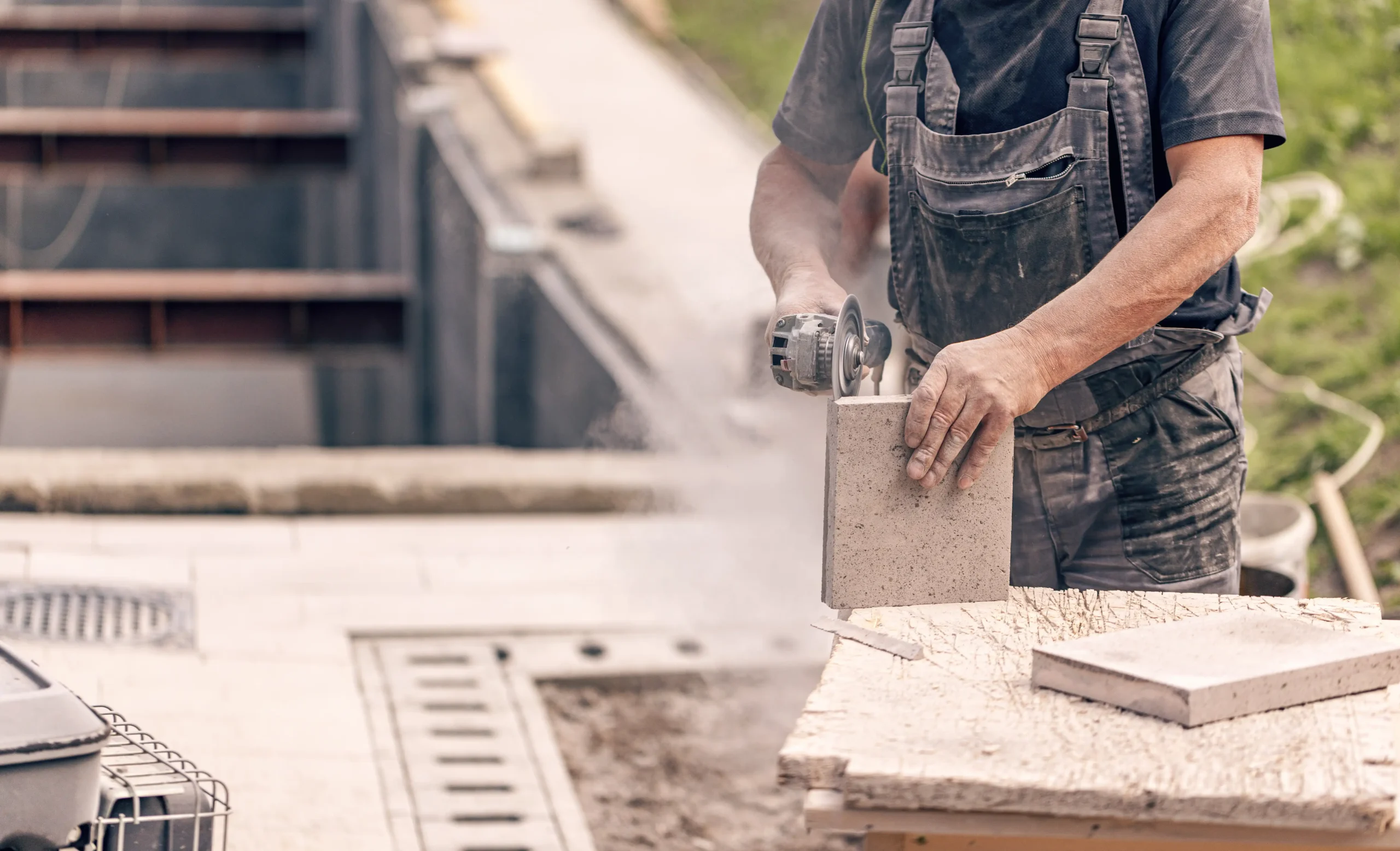
Crystalline silica, a common component in many engineered stone products, poses significant risks when disturbed during cutting or installation. Inhaling fine dust particles can lead to silicosis, a serious lung disease that has affected workers and even homeowners in extreme cases. This condition scars lung tissue, making breathing difficult and potentially irreversible. Studies show that prolonged exposure accelerates health issues, with symptoms sometimes appearing years later. In Western Australia, where renovation projects thrive in coastal and urban areas, these dangers highlight the need for caution. Traditional high-silica benchtops, often containing over 80% silica, release respirable particles that linger in the air. Opting for safer materials reduces these threats, ensuring everyday spaces remain havens rather than hazards.
Regulatory Changes Shaping Safer Homes in Western Australia
From July 1, 2024, Australia implemented a nationwide prohibition on the use, supply, and manufacture of engineered stone containing more than 1% crystalline silica, with Western Australia aligning through local enforcement by WorkSafe WA. This move addresses rising silicosis cases linked to unsafe fabrication practices. An import ban followed on January 1, 2025, further restricting high-risk products at borders. In WA, these regulations encourage the adoption of low silica alternatives, fostering a market shift toward compliant materials. Homeowners benefit from clearer guidelines, with penalties for non-compliance emphasizing accountability. This framework not only protects fabricators but also empowers families to make informed decisions, integrating health considerations into building codes and renovation permits across the state.
Understanding the crystalline silica ban provides essential insights into selecting safe benchtops across Australia.
Health Advantages of Choosing Low Silica Options
Low silica benchtops drastically cut the risk of dust-related illnesses, offering a breath of fresh air for families. By limiting crystalline silica to under 1%, these surfaces prevent the release of harmful particles during handling, safeguarding children and adults alike from potential respiratory issues. In Western Australia's warm climate, where open-plan kitchens see heavy use, this choice promotes better indoor air quality, reducing allergens and irritants. Parents find reassurance knowing their cooking spaces won't contribute to long-term health concerns. Additionally, these materials often feature antimicrobial properties, curbing bacterial growth on surfaces touched daily. Overall, they support wellness-focused lifestyles, aligning with WA's emphasis on outdoor living and family gatherings without hidden threats.
Exploring Durable and Stylish Low Silica Materials
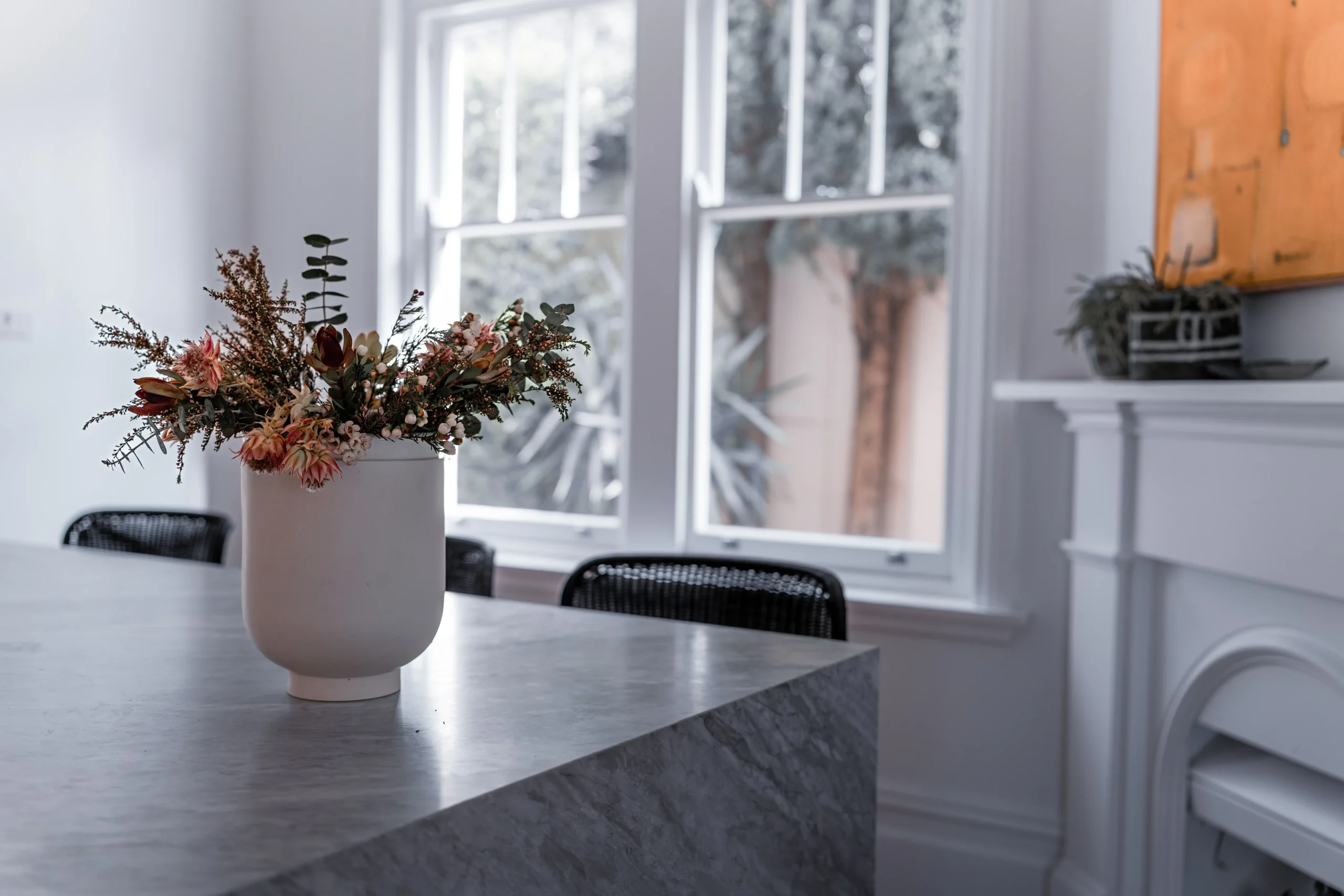
A variety of low silica materials now dominate the market, each bringing unique appeal to Western Australian homes. Porcelain slabs, with their ultra-low silica content, resist heat, scratches, and stains, mimicking natural veining for a luxurious look. Sintered stone, formed under high pressure, offers exceptional strength and UV resistance, ideal for sun-drenched Perth kitchens. Natural options like marble provide elegance with minimal silica, while solid surfaces—acrylic-based composites—deliver seamless designs and easy repairs. For eco-conscious choices, recycled glass or mineral-based products stand out, blending sustainability with versatility. These alternatives come in diverse colors and textures, ensuring they complement any aesthetic from coastal minimalism to rustic charm.
Innovations in safe and sustainable benchtop materials are paving the way for eco-friendly home designs.
Practical Tips for Installation and Care
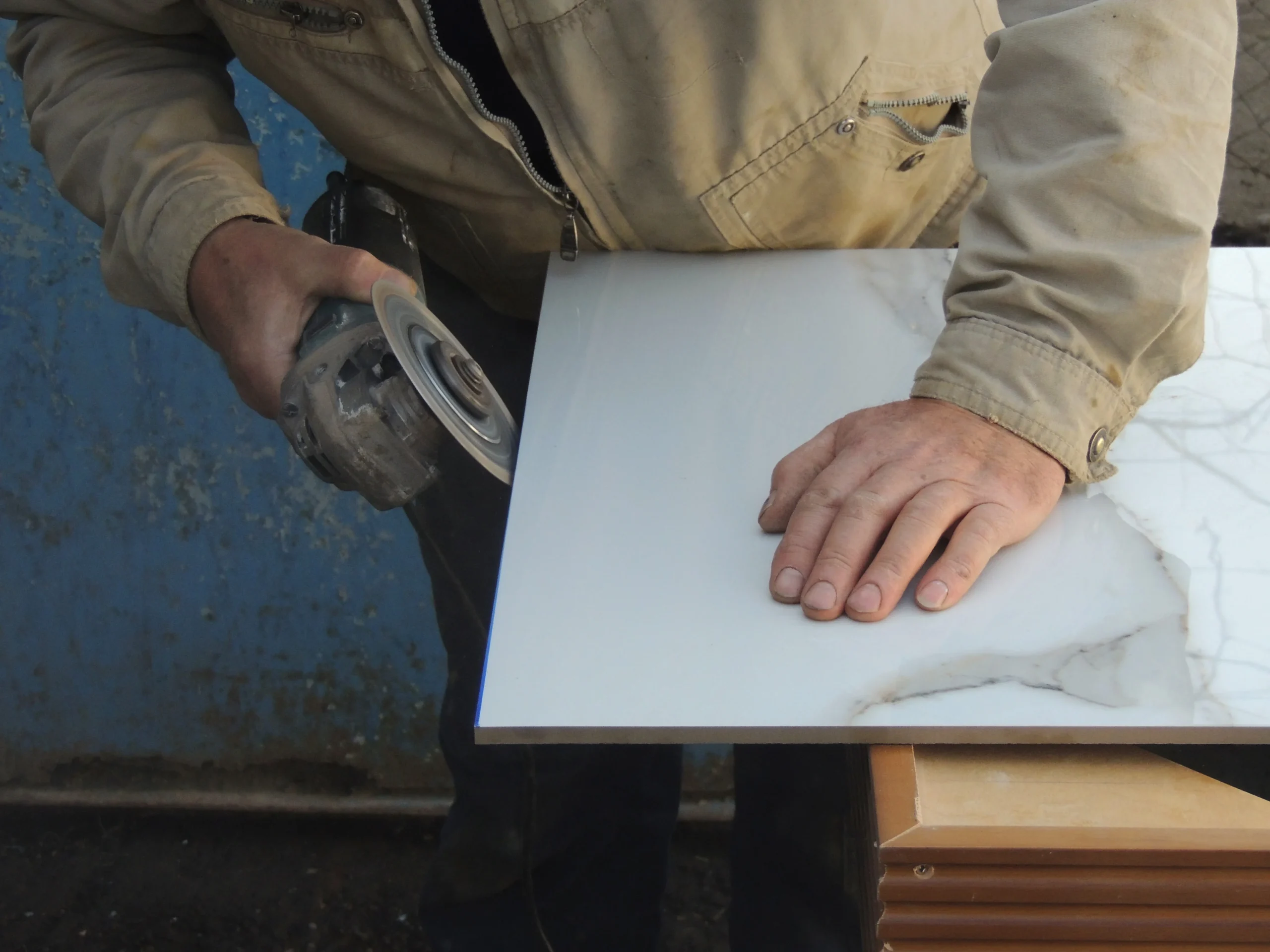
Installing low silica benchtops requires professional expertise to maximize their benefits. In Western Australia, certified fabricators use wet-cutting techniques to minimize dust, adhering to safety protocols. Measure spaces accurately beforehand, considering overhangs for islands or bars common in WA homes. Maintenance is straightforward: wipe with mild soap and water, avoiding harsh chemicals that could dull finishes. For porcelain or sintered varieties, heat-resistant pads protect against direct pot contact, though they're more tolerant than traditional stones. Regular sealing isn't always needed, but checking manufacturer guidelines ensures longevity. These practices keep surfaces pristine, enhancing resale value in competitive markets like Perth's suburbs.
Building Healthier Homes for Tomorrow
As Western Australia continues to grow, embracing low silica benchtops represents a commitment to enduring well-being and innovative design. These choices not only align with regulatory shifts but also elevate everyday experiences, turning kitchens into safe, inspiring hubs. Families can cook, gather, and create memories without underlying worries, fostering environments that nurture generations.
Exploring the future of stone through innovations in safe and sustainable materials reveals exciting possibilities for modern homes.
At TDR Stone Tops, we're dedicated to guiding you toward these healthier options, ensuring your home reflects both style and safety. Visit to discover how low silica benchtops can transform your space.