At TDR Stone Tops, we understand the importance of creating beautiful, functional spaces in Western Australian homes while prioritizing safety and well-being. As experts in premium stone surfaces, we've seen how engineered stone has transformed kitchens and bathrooms over the years. However, recent developments in health regulations have sparked questions about the long-term safety of these materials. This post dives into the facts surrounding engineered stone benchtops, helping WA homeowners make informed decisions about their existing installations.
Understanding Engineered Stone Benchtops
Engineered stone, often called quartz composite, combines crushed natural stone with resins and pigments to form durable slabs. Popular for its sleek appearance and resistance to stains, it has been a go-to choice for modern kitchens in Perth and beyond. These benchtops typically contain up to 90% crystalline silica, a mineral found in quartz, which gives them their strength but also raises concerns during manufacturing.
In Western Australia, where coastal lifestyles demand hardy surfaces, engineered stone gained traction for its low porosity and easy upkeep. Homeowners appreciate how it mimics the look of marble or granite without the natural variations. Yet, the fabrication process—cutting, grinding, and polishing—releases fine dust particles that have drawn scrutiny from health authorities. For those with existing setups, the key lies in recognizing that the finished product, once installed, behaves differently from raw slabs.
Data from Safe Work Australia highlights that over 500,000 Australian workers have been exposed to silica dust in stone-related industries, underscoring the material's widespread use. In WA, local fabricators have historically relied on wet-cutting methods to minimize dust, but inconsistencies in practices led to broader regulatory changes.
The Hidden Dangers of Silica Dust
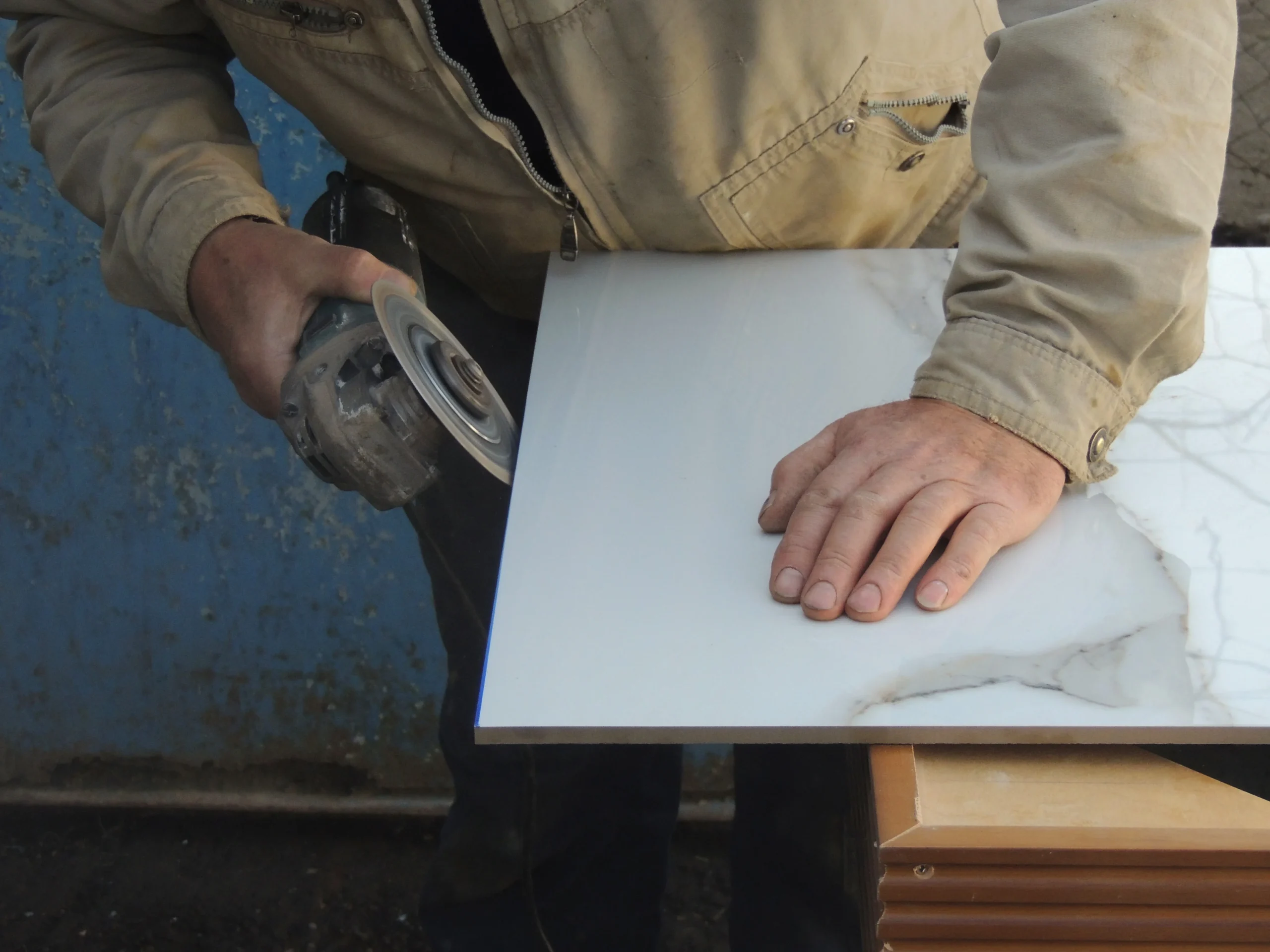
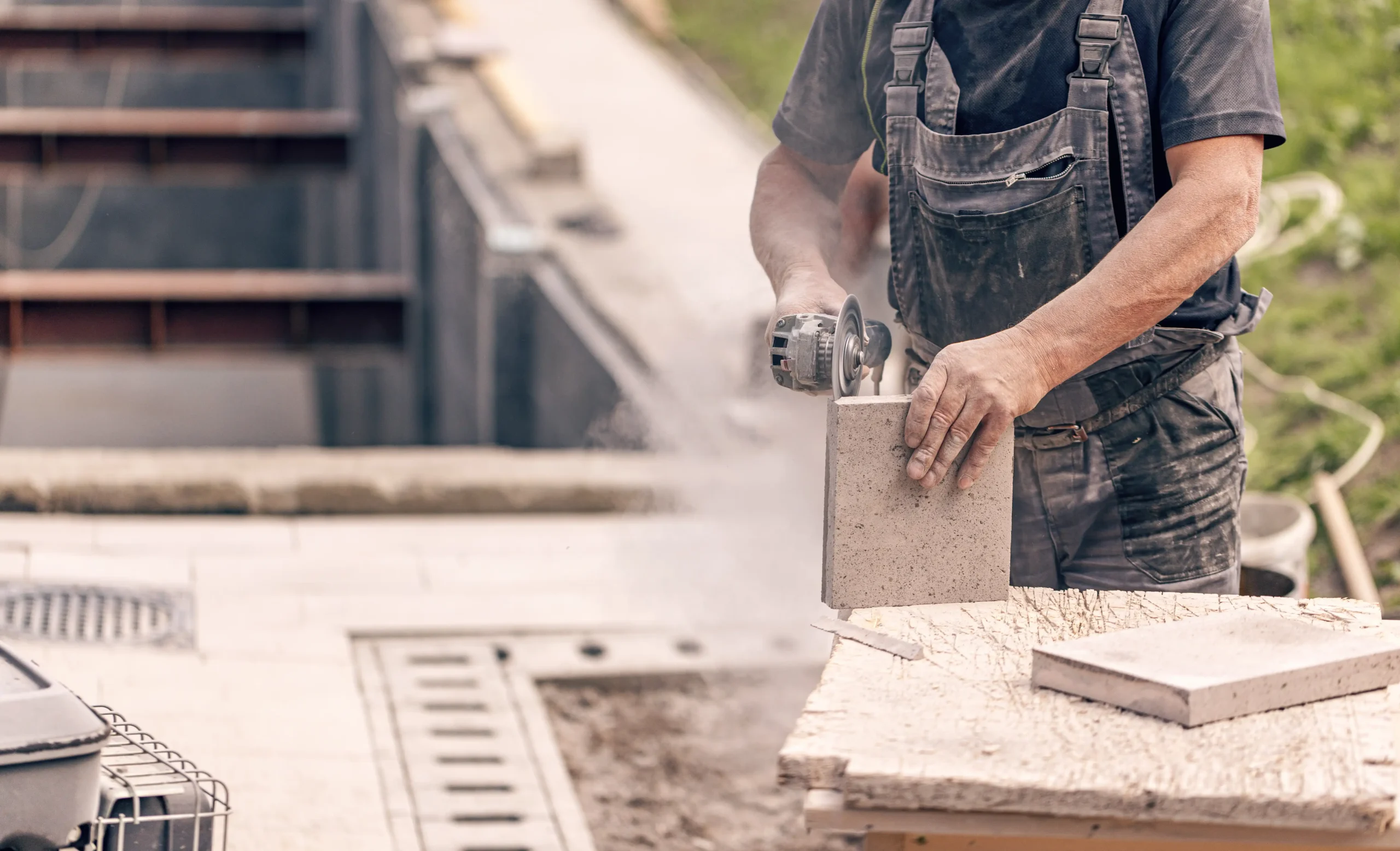
Crystalline silica dust, when inhaled over time, can lead to silicosis, an incurable lung disease that scars tissue and impairs breathing. This risk primarily affects workers involved in dry-cutting engineered stone without proper controls, as particles smaller than 5 microns enter deep into the lungs. Studies from the National Health and Medical Research Council link accelerated silicosis to high-silica materials, with symptoms appearing in as little as 3-10 years of exposure.
For homeowners, the threat is minimal unless renovations involve on-site modifications that generate dust. Installed benchtops don't emit silica particles during normal use, such as chopping vegetables or wiping spills. However, improper handling during repairs could pose indirect risks if dust lingers in the air. In WA, where DIY projects are common in suburban homes, awareness of these hazards prevents unnecessary exposure.
Global reports, including from California's health departments, document outbreaks among fabricators, with over 100 cases of severe silicosis tied to engineered stone since 2010. Locally, WorkSafe WA has investigated incidents, emphasizing ventilation and personal protective equipment. Prioritizing surfaces with lower silica levels offers peace of mind, safeguarding family health in everyday Western Australian living.
Recent Regulations in Western Australia
From July 1, 2024, Australia implemented a nationwide ban on the manufacture, supply, processing, and installation of engineered stone containing more than 1% crystalline silica. This decision, endorsed by all states including WA, followed a Safe Work Australia report revealing unacceptable health risks to workers. The ban aims to curb new cases of silicosis, which surged by 20% in stone-related trades over the past decade.
In WA, the Department of Energy, Mines, Industry Regulation and Safety (DEMIRS) enforces these rules, prohibiting imports and sales of high-silica slabs. Legacy products—those installed before the cutoff—remain permissible, with no mandate for removal. Homeowners can continue using their benchtops, but any future work must comply with stricter silica management protocols under the Work Health and Safety Regulations.
This shift aligns WA with international trends, as countries like the UK consider similar measures. Border Force data shows a halt in engineered stone imports, redirecting the market toward safer alternatives. For Perth residents, this means consulting licensed professionals for any modifications to avoid penalties.
Assessing the Safety of Your Current Benchtop
To determine if your engineered stone benchtop poses any ongoing risks, start by checking installation dates and material specifications. If fitted before July 2024, it's likely high-silica but safe in its current state, as finished surfaces don't release respirable dust. Visual inspections for cracks or damage can reveal if professional assessment is needed, especially in high-traffic kitchens.
Homeowners should review supplier documentation for silica content; anything above 40% warrants caution during renovations. Air quality tests, available through WA environmental services, can detect lingering particles post-installation, though rare in residential settings. Safe Work Australia's guidelines recommend wet methods and HEPA vacuums for any cutting to minimize exposure.
In cases of suspected issues, consult occupational hygienists who specialize in silica monitoring. Families in WA benefit greatly from selecting benchtop options that minimize silica, creating a nurturing space free from hidden health concerns. Regular cleaning with non-abrasive products preserves integrity without generating dust.
Maintenance and Care Tips for Longevity
Proper upkeep extends the life of engineered stone while ensuring it remains hazard-free. Daily wiping with mild soap and water prevents buildup, avoiding harsh chemicals that could degrade the resin binder. For stubborn stains, use a soft cloth and pH-neutral cleaners, steering clear of scouring pads that might scratch and expose underlying materials.
In WA's humid climates, sealing isn't typically required for engineered stone, but annual checks for wear in splash zones are advisable. Avoid placing hot pots directly on surfaces to prevent thermal shock, and use cutting boards to maintain the non-porous finish. If minor repairs are needed, hire certified stonemasons who follow post-ban protocols, including dust suppression techniques.
Industry experts note that well-maintained benchtops can last 15-20 years, reducing the need for replacements. Ventilation during cleaning routines further enhances indoor air quality, aligning with WA's focus on healthy homes.
Exploring Healthier Benchtop Horizons
As regulations evolve, WA homeowners are turning to innovative materials that balance aesthetics with safety. Options like porcelain, sintered stone, and natural granites offer comparable durability without the high silica drawbacks. These alternatives resist heat, scratches, and stains, fitting seamlessly into modern designs from Fremantle to the Swan Valley.
Market trends show a 30% rise in demand for low-silica composites since the ban, driven by health-conscious consumers. In Western Australia, embracing low-silica benchtops emerges as a thoughtful step toward fostering a safer, family-friendly kitchen environment. Exploring these can future-proof your home, blending style with peace of mind.
We at TDR Stone Tops are committed to guiding you through these changes, offering expert advice on safe, stunning surfaces tailored to WA lifestyles. Whether assessing your current setup or planning an upgrade, our team ensures every choice prioritizes quality and health. Visit us at to discover how we can enhance your space responsibly.